Mobile Crane Rental Safety Guidelines and Regulations in Abu Dhabi
What every site manager needs to know about mobile crane safety, operator certification, and lifting regulations before a crane mobilizes in Abu Dhabi.
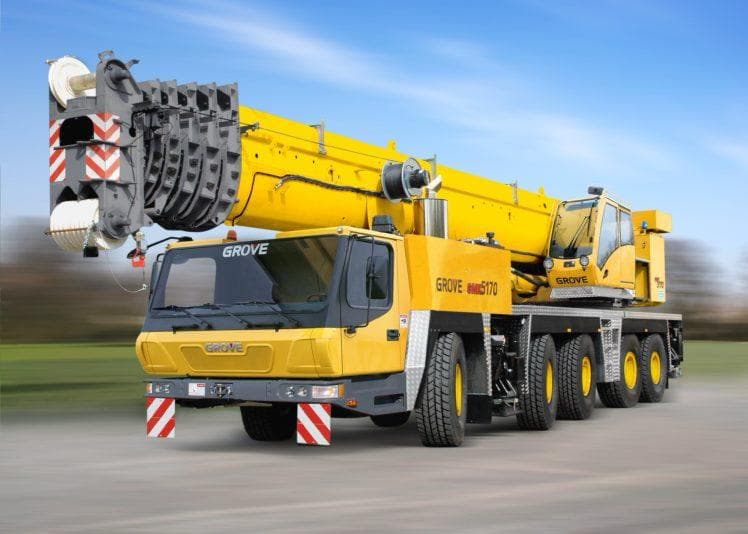
Mobile crane operations sit near the top of construction risk registers for good reason: a mishandled lift can cause catastrophic injury, structural damage, or project delays that cost far more than the crane rental itself. Abu Dhabi's Department of Municipalities and Transport (DMT) and site-level HSE requirements set clear expectations for lifting operations. This guide covers what to verify before any mobile crane mobilizes on your site.
1. Operator and Rigger Certification
Every crane operator must hold a valid operator license appropriate to the crane class being used, along with documented experience on similar lifts. Riggers responsible for slinging and signaling should carry separate certification. Before any lift begins, request copies of the operator's license and the rigger's certification. A reputable rental provider will supply these without hesitation.
Documents to Request Before Mobilization
- ✓Valid crane operator license matching the crane class
- ✓Third-party load test certificate (typically renewed annually)
- ✓Daily pre-use inspection checklist and maintenance log
- ✓Rigger and signalman certification
2. The Lifting Plan Comes Before the Lift
For any lift involving heavy, awkward, or multiple simultaneous loads, a written lifting plan should be prepared and reviewed before the crane arrives. This includes load weight and center of gravity, crane configuration and load chart reference, ground bearing capacity at the set-up position, boom clearance from power lines and structures, and a designated exclusion zone. Seven Lift provides free lifting-plan review support for lifts above standard thresholds.
3. Ground Conditions and Outrigger Setup
A significant share of crane incidents trace back to ground failure rather than mechanical fault. Musaffah, KIZAD, and many Abu Dhabi construction sites have variable subsurface conditions, backfilled areas, or buried utilities that can compromise outrigger stability. Always confirm ground bearing pressure calculations against the crane's outrigger loads, and use certified timber or steel matting when soil conditions are uncertain.
Exclusion Zones and Site Coordination
- ✓Barricade and clearly mark the crane's full working radius
- ✓Coordinate lift timing with other site trades to avoid overlapping hazards
- ✓Assign a dedicated banksman with radio contact to the operator
- ✓Suspend lifting operations during high wind conditions per the load chart's wind limits
4. Weather and Wind Limits
Abu Dhabi's shamal wind events and summer dust storms can exceed a crane's safe wind-speed rating with little warning. Every load chart specifies a maximum wind speed for the configuration in use, and exceeding it, even briefly, is one of the most common causes of tip-over incidents. Site supervisors should monitor local wind forecasts and have a clear stop-work threshold agreed with the crane operator before lifting begins.
5. Insurance and Liability Coverage
Confirm that the rental provider carries third-party liability insurance covering the lift, and that this coverage is documented in the rental agreement, not just assumed. This protects your project financially in the rare event of property damage during a lift.
Working With a Compliant Crane Partner
The fastest way to keep a lift compliant is to work with a rental provider that treats documentation as standard practice, not paperwork requested after the fact. Seven Lift maintains current load test certificates, licensed operators, and rigging crews across our 25 to 500 ton mobile crane fleet for projects throughout Abu Dhabi and the wider UAE.
Related Pages
Need Equipment for Your Next Project?
Send the job details for a fast quote on forklifts, mobile cranes, telehandlers, or man lifts anywhere in the UAE. Prefer WhatsApp? Message us here.