Why Renting Heavy Equipment Is More Cost-Effective for Construction in Dubai & ICAD
A breakdown of the real costs behind owning versus renting forklifts, cranes, and telehandlers for construction projects in Dubai and ICAD, Abu Dhabi.
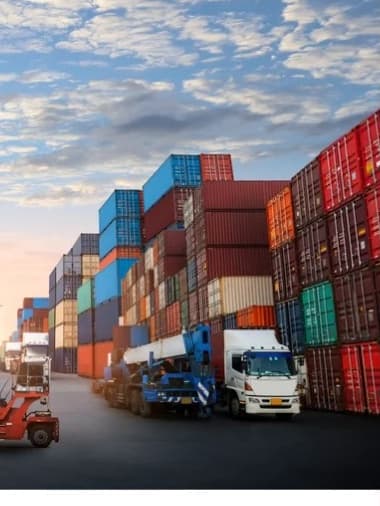
Contractors bidding on projects across Dubai's Jebel Ali Free Zone, Al Quoz, and Abu Dhabi's ICAD often default to purchasing equipment because it feels like the safer long-term investment. In practice, the total cost of ownership for heavy equipment (forklifts, cranes, telehandlers, and access platforms) usually outweighs rental costs unless utilization stays consistently high year-round. Here's the real math.
The Hidden Costs of Ownership
The purchase price is only the starting point. Ownership carries ongoing costs that rarely make it into an initial budget comparison:
- ✓Scheduled maintenance, parts, and unscheduled breakdown repairs
- ✓Operator training, licensing renewals, and idle-time wages between projects
- ✓Insurance premiums and annual third-party load testing for cranes
- ✓Depreciation and resale value loss, especially in a hot, high-usage climate
- ✓Storage, yard space, and security when equipment is between projects
Utilization Is the Deciding Factor
Equipment ownership only pays off when utilization is high and predictable, generally above 70-80% of available working days across the year. Most construction and logistics projects in Dubai Industrial City and ICAD don't run at that utilization rate; they have peaks tied to specific project phases (foundation work, structural steel, fit-out, container surges) separated by lulls where owned equipment sits idle and still costs money.
A Simplified Comparison
- ✓Owning a 25-ton mobile crane used only 3 months of the year still incurs 12 months of insurance, storage, and depreciation
- ✓Renting the same crane for those 3 months converts a fixed cost into a variable, project-billable expense
- ✓Rental terms can scale up during peak phases and drop to zero once the phase completes
Renting Shifts Risk Off Your Balance Sheet
When you rent, breakdown risk, maintenance scheduling, and even operator certification currency become the rental provider's responsibility. For contractors managing tight JAFZA and Dubai Industrial City delivery schedules, this predictability is often worth more than the marginal savings of ownership, a breakdown on owned equipment with no backup unit can delay a project far longer than a same-day rental swap.
Access to the Right Equipment for Each Phase
Different construction phases need different equipment: telehandlers for structural steel and roofing, mobile cranes for heavy lifts, forklifts for material logistics, and man lifts for MEP and facade work. Owning a fleet that covers every phase means paying for specialized equipment that sits unused most of the year. Renting lets you bring in exactly the right machine, and capacity, for each phase, then release it once that phase is complete.
When Ownership Still Makes Sense
Ownership can make sense for contractors running continuous, high-utilization operations, such as a permanent warehouse forklift fleet with multi-shift daily use, for example. But even in these cases, many operators keep a core owned fleet and rent additional capacity during peak periods rather than over-investing in equipment sized for their busiest month.
The Bottom Line for Dubai & ICAD Contractors
For most project-based construction work in Dubai and ICAD, renting heavy equipment converts a large fixed capital cost into a flexible, project-billable expense, while shifting maintenance, certification, and breakdown risk to the rental provider. Seven Lift supports project-phase rentals with flexible daily, weekly, and monthly terms across forklifts, mobile cranes, telehandlers, and man lifts throughout Dubai and Abu Dhabi.
Related Pages
Need Equipment for Your Next Project?
Send the job details for a fast quote on forklifts, mobile cranes, telehandlers, or man lifts anywhere in the UAE. Prefer WhatsApp? Message us here.